
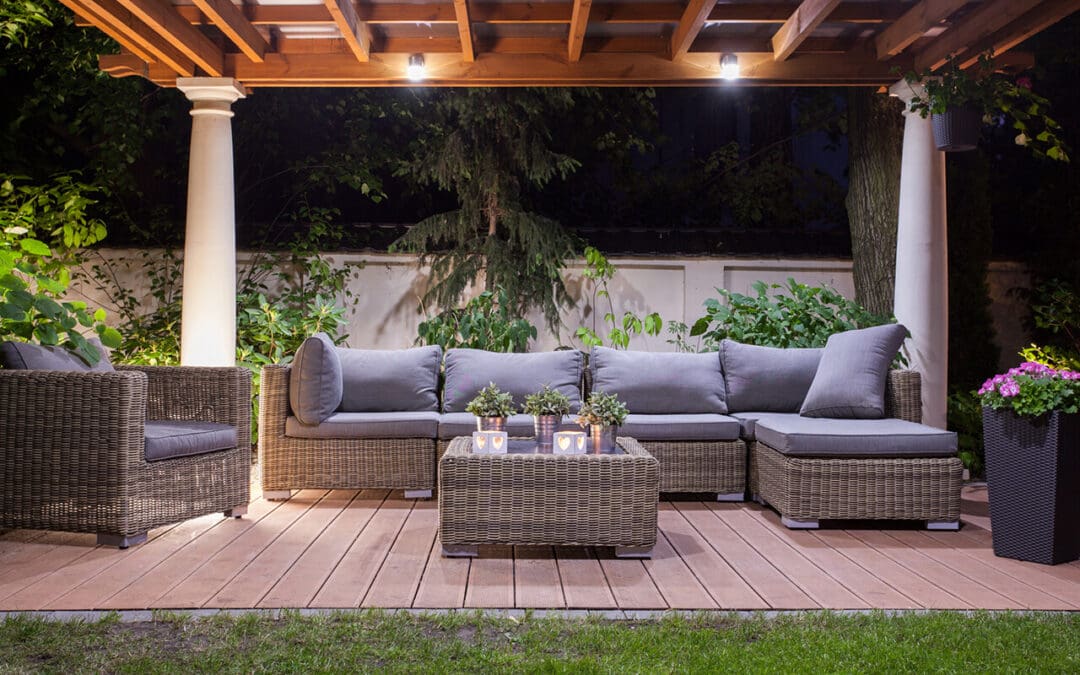
A relaxing patio is more than just an outdoor space; it’s an extension of your home where comfort meets fresh air. Whether the goal is to unwind after a long day or entertain guests in a calm, inviting setting, creating a relaxing space requires thoughtful design and a balance of style and functionality. From furniture choices to lighting and greenery, every detail plays a role in shaping the atmosphere. The key to success lies in envisioning how the space will be used. A patio designed for quiet mornings with coffee will look different from one meant for evening gatherings. By focusing on comfort, simplicity, and a cohesive aesthetic, homeowners can transform even the smallest outdoor area into a sanctuary.
Choosing Comfortable Furniture for a Relaxing Patio
Comfort should always come first when designing a relaxing patio. Seating that invites people to sit and stay awhile is essential. Cushioned chairs, deep sofas, and even hammocks will instantly elevate the space. Materials should be durable enough to withstand weather conditions while still offering a soft, welcoming feel. Neutral tones often work best for creating a calming environment, but adding subtle pops of color through cushions or throws will bring personality without overwhelming the senses. Arranging furniture in a way that encourages conversation or relaxation, such as circular seating layouts, helps the patio feel more intentional and inviting.
Lighting Ideas to Enhance Your Patio
Lighting has a powerful effect on the mood of a patio. Soft, warm lighting creates a cozy ambiance that makes the space usable long after the sun sets. String lights, lanterns, and solar-powered fixtures are popular choices that blend functionality with aesthetics. Layering different light sources will add depth and dimension. For example, overhead lighting provides general illumination, while smaller accent lights highlight specific areas like plants or seating zones. The goal is to avoid harsh brightness and instead create a gentle glow that encourages relaxation.
Incorporating Nature Into Your Patio Design
Bringing natural elements into a patio enhances its tranquility. Plants, flowers, and even small water features create a soothing environment that feels connected to nature. Potted plants are versatile and can be rearranged easily, while vertical gardens are ideal for smaller spaces. The sound of water, whether from a fountain or a simple feature, adds a calming sensory element. Choosing greenery that thrives in the local climate ensures the patio remains vibrant with minimal maintenance. Natural materials like wood, stone, and rattan further reinforce the organic feel.
Creating Shade and Privacy for a Relaxing Patio
A truly relaxing patio offers both comfort and a sense of privacy. Shade solutions such as umbrellas, pergolas, or fabric canopies help protect against harsh sunlight while adding visual interest. These elements also define the space, making it feel more like an outdoor room. Privacy can be achieved through the strategic placement of plants, screens, or outdoor curtains. This not only blocks unwanted views but also contributes to a peaceful atmosphere where homeowners can fully unwind. The combination of shade and privacy transforms the patio into a personal retreat.
Adding Personal Touches
Personalization is what turns a standard patio into a patio that feels unique and lived-in. Decorative accents like outdoor rugs, cushions, and artwork reflect individual style while maintaining comfort. Even small details, such as candles or decorative trays, can make the space feel curated. Seasonal updates are another way to keep the patio fresh and engaging. Swapping out textiles or adding new plants will give the space a renewed sense of life without requiring a complete redesign. The goal is to create a space that feels both functional and emotionally satisfying.
Maintaining Your Relaxing Patio Year-Round
A relaxing patio should remain enjoyable throughout the year with proper care and adjustments. Regular cleaning of furniture, cushions, and surfaces keeps the space looking inviting. Weather-resistant materials and protective covers will extend the lifespan of outdoor items. In cooler months, adding blankets or outdoor heaters makes the patio usable even when temperatures drop. During warmer seasons, ensuring proper ventilation and shade keeps the area comfortable.
Frequently Asked Questions (FAQs)
What is the most important element of a relaxing patio?
Comfort is the most important factor. Without comfortable seating and a welcoming layout, even the most beautifully designed patio will not feel relaxing.
How can a small space become a relaxing patio?
A small patio can feel relaxing by using space-saving furniture, vertical plants, and minimal décor. Keeping the design simple and uncluttered enhances the sense of calm.
What colors work best for a relaxing space?
Soft, neutral colors like beige, gray, and muted greens create a calm and soothing environment.
How do you make a patio feel private?
Privacy can be achieved with outdoor curtains, tall plants, or decorative screens. These elements create a sense of enclosure without making the space feel closed off.
Can a relaxing patio be low-maintenance?
Yes, choosing durable materials, native plants, and simple designs can significantly reduce maintenance while still providing a beautiful and relaxing outdoor space.
AAA Professional Home Inspectors offers inspection services to homebuyers and sellers in Kentucky and Southern Indiana. Contact us to request an appointment.