
Lighting plays a crucial role in how a home looks, feels, and functions. From setting the mood in a living room to improving visibility in a kitchen workspace, interior lighting has a direct impact on comfort, productivity, and ambiance. Upgrading your home’s lighting is one of the most effective ways to enhance both aesthetics and functionality without a major renovation.
Why Interior Lighting Deserves More Attention
Interior lighting influences how colors appear, how large or small a room feels, and how people feel when spending time indoors. Poor lighting can make a beautifully decorated room feel flat and uninviting, while thoughtful lighting can elevate even the most modest spaces. Most homeowners rely on a single overhead light per room, a common approach that creates harsh shadows and a one-dimensional atmosphere that no amount of furniture or décor can fully compensate for.
Understand the Three Types of Interior Lighting
Effective interior lighting relies on three distinct layers working together. Ambient lighting provides general illumination through ceiling fixtures, recessed lights, and chandeliers. Task lighting focuses on specific activity areas, under-cabinet lights in the kitchen, desk lamps in a home office, or vanity lighting in the bathroom. Accent lighting adds depth and character by highlighting architectural features, artwork, or decorative elements. Combining all three creates a balanced, layered scheme that enhances both usability and design in every room.
Tailor Interior Lighting to Each Room
Every room has unique lighting needs. Kitchens need bright, focused illumination, pendant lights over islands, recessed overhead lighting, and under-cabinet lights at the countertops. Living rooms benefit from a mix of ambient and accent lighting that can shift from functional during the day to warm and relaxed in the evening, ideally with dimmer switches. Bedrooms call for softer lighting that promotes relaxation while still providing enough brightness for reading. Bathrooms need shadow-free lighting around mirrors, side-mounted fixtures at eye level outperform a single overhead light for grooming tasks significantly.
Maximize Natural Light and Choose the Right Fixtures
Natural light is one of the most valuable interior lighting assets in any home. It reduces the need for artificial lighting, makes spaces feel more open and welcoming, and positively affects mood. Light-colored or sheer window treatments allow daylight to filter in, strategically placed mirrors reflect light into darker corners, and keeping windows unobstructed maximizes the natural light available throughout the day. Fixture selection contributes to both function and visual character. Scale matters; oversized fixtures overwhelm small spaces, while undersized ones fail to deliver adequate light. Match fixtures to the room’s purpose and proportions, and choose designs that complement the home’s overall aesthetic without competing with it.
Energy Efficiency and Smart Interior Lighting
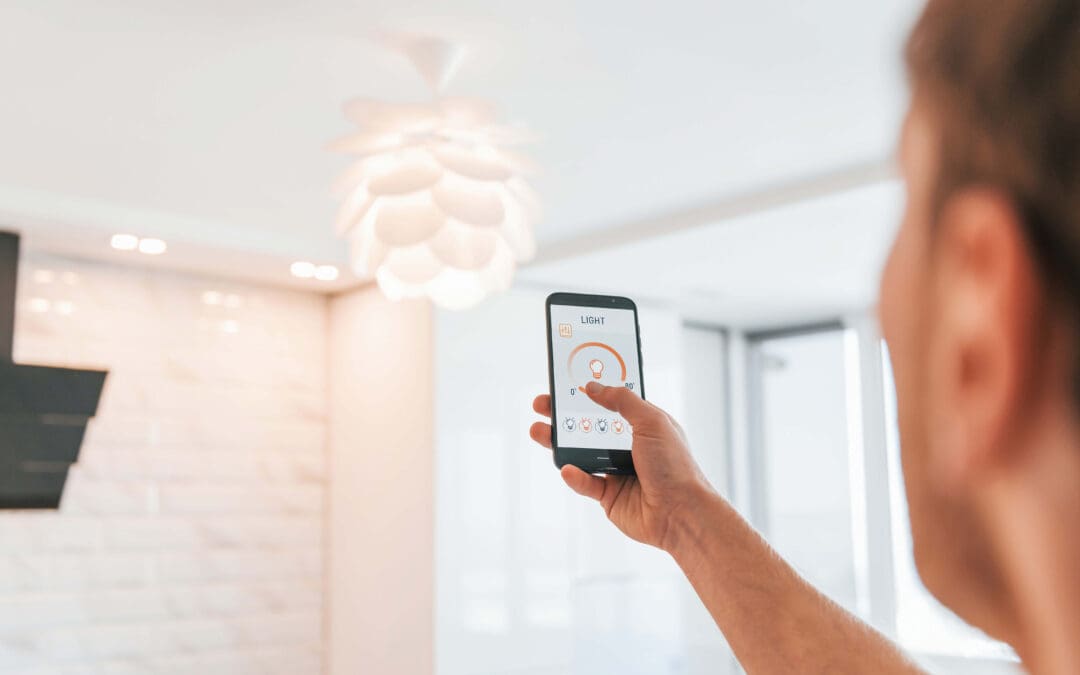
Switching to LED bulbs is one of the easiest and most impactful interior lighting upgrades available. LEDs use significantly less electricity, last many times longer than traditional bulbs, and come in a full range of color temperatures. Adding dimmer switches gives you flexibility and efficiency, allowing light levels to match the time of day or activity rather than running at full brightness all the time. Smart lighting systems take this further by allowing full control of brightness, color temperature, and scheduling through a mobile app or voice assistant. Automating lights to turn off when rooms aren’t in use or to gradually dim in the evening creates a more comfortable and efficient home with minimal ongoing effort.
A well-lit home is more comfortable, more functional, and more inviting to spend time in. With the right combination of layered lighting, room-specific planning, quality fixtures, and energy-efficient technology, interior lighting becomes one of the most accessible and impactful improvements any homeowner can make.
Frequently Asked Questions (FAQs)
What is the most effective approach to interior lighting?
Layering ambient, task, and accent lighting in every room creates the most balanced and functional result. This approach prevents the flat atmosphere that comes from relying on a single overhead fixture and gives you far more control over how each space looks and feels.
How can I make my interior lighting more energy-efficient?
Switching to LED bulbs is the single most impactful step. Adding dimmer switches and smart lighting controls further reduces consumption by ensuring lights run only at the level needed for each activity.
How do I choose the right brightness for different rooms?
Match brightness to the room’s primary function. Kitchens, offices, and bathrooms need higher light levels for task performance. Living rooms and bedrooms benefit from softer, adjustable lighting that can shift between functional and relaxing throughout the day.
Does interior lighting really affect mood?
Yes. Warm light promotes relaxation, making it ideal for bedrooms and living areas. Cooler light improves alertness and focus, making it better suited for kitchens and workspaces.
How often should lighting fixtures be maintained?
Wipe down fixtures regularly to prevent dust buildup that reduces light output. Do a more thorough annual check of all fixtures, including watching for flickering or warmth around connections that could indicate a wiring issue worth having a professional evaluate.
AAA Professional Home Inspectors offers inspection services to homebuyers and sellers in Kentucky and Southern Indiana. Contact us to request an appointment.