
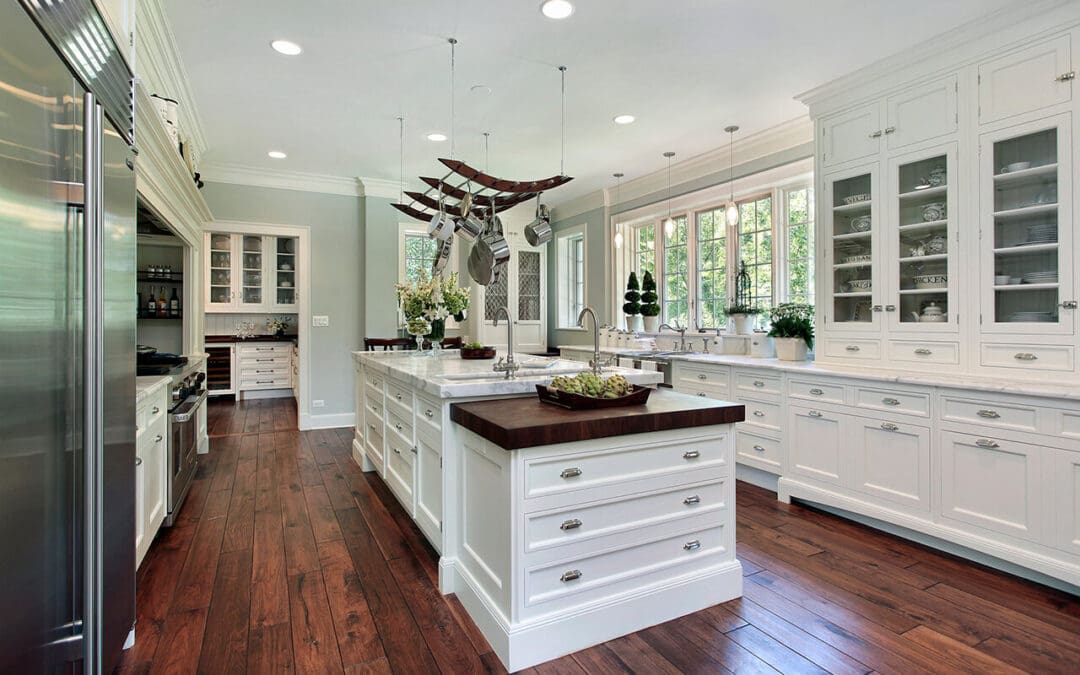
Choosing the right countertops for your new home is one of the most exciting decisions in the entire building process. With dozens of options available at a wide range of price points, narrowing down the field requires more than just picking something that looks good in a showroom. The countertop materials you choose will be used every single day, and should complement the overall aesthetic of the kitchen and bathrooms for years to come. Understanding the key characteristics of each option makes the decision significantly easier and far more likely to result in a choice you’ll love long term.
What to Consider Before Choosing Countertop Materials
Before diving into specific options, it’s worth thinking through how your household actually uses kitchen and bathroom surfaces. Do you cook frequently and need a heat-resistant surface? Do you have young children who will be hard on surfaces? Is low maintenance a priority, or are you willing to invest time in regular sealing and care in exchange for a premium look? Your budget also plays a significant role; countertop materials range from very affordable to surprisingly expensive once fabrication and installation are factored in. Getting clear on your priorities before you start shopping gives you a meaningful filter that prevents you from falling in love with an option that doesn’t actually fit your lifestyle or budget.
Quartz: One of the Most Popular Countertop Materials Available
Quartz has become one of the most popular countertop choices for new construction homes, and for good reason. As an engineered stone product made from natural quartz crystals bound with resin, it combines the beauty of natural stone with a level of durability and consistency that quarried materials can’t always deliver. Quartz is non-porous, which means it doesn’t require sealing and is highly resistant to staining, bacteria, and moisture, making it an exceptionally practical choice for busy kitchens. It’s available in a vast range of colors and patterns, including options that convincingly mimic the look of marble and granite. The trade-off is cost, quartz is a mid-to-upper-range option that may stretch tighter budgets.
Granite: A Classic Choice Among Natural Countertop Materials
Granite has been a kitchen staple for decades, and its enduring popularity speaks to its combination of natural beauty, durability, and the unique character that comes with a quarried stone product. No two granite slabs are identical, which means your countertop is genuinely one of a kind. Granite is extremely heat-resistant and durable when properly maintained, but it is a porous material that requires periodic sealing to prevent staining and moisture infiltration. The wide range of granite patterns and colorways available makes it a versatile choice that works across a broad range of kitchen styles, from traditional to contemporary.
Marble: The Premium Option
Few countertop materials make a visual statement quite like marble; its distinctive veining and luminous quality give kitchens and bathrooms a timeless, luxurious feel that no engineered product fully replicates. Marble is a natural stone that requires more care and maintenance than quartz or granite, it’s softer, more porous, and more susceptible to etching from acidic substances like citrus and vinegar. For homeowners who are willing to invest in its maintenance, marble delivers an aesthetic that justifies the effort and expense. For high-traffic kitchens where practicality is the priority, marble may be better suited to lower-use areas like a bathroom vanity or a dedicated baking station.
Budget-Friendly Materials Worth Considering
Not every countertop choice needs to be a premium natural or engineered stone, and several more affordable options deliver excellent results for budget-conscious builders. Laminate has come a long way in recent years, with realistic stone and wood-look options that are surprisingly attractive at a fraction of the cost of stone. Butcher block brings warmth and natural character to a kitchen at a moderate price point, though it requires regular oiling and is vulnerable to moisture and scratching near the sink. Porcelain tile is a durable, heat-resistant option that works well in both kitchens and bathrooms and can be installed as a DIY project to further reduce costs. Each of these options has genuine merit and is worth serious consideration depending on your priorities and budget.
Frequently Asked Questions (FAQs)
What are the most durable countertop materials for a new home?
Quartz and granite consistently rank as the most durable countertop options for residential use.
What countertop material is the easiest to maintain?
Quartz is widely considered the lowest-maintenance countertop option; its non-porous surface requires no sealing and resists staining, bacteria, and moisture without any special treatment.
How much do countertop materials typically cost?
Costs vary significantly by material and region. Laminate is the most affordable option, typically running between ten and forty dollars per square foot installed. Granite and quartz fall in the mid-to-upper range at roughly fifty to one hundred fifty dollars per square foot installed, depending on the specific material and complexity of the job.
Can I mix countertop materials in the same kitchen?
Absolutely. Using a durable, low-maintenance quartz on the main prep surfaces while incorporating a butcher block island or a marble baking station adds visual interest and allows each material to be used where it performs best.
Should I choose countertop materials before or after cabinets?
In most new construction projects, cabinet selection comes first since cabinets define the overall color palette and style direction of the kitchen. Countertop materials are then chosen to complement the cabinet finish.
AAA Professional Home Inspectors offers inspection services to homebuyers and sellers in Kentucky and Southern Indiana. Contact us to request an appointment.