
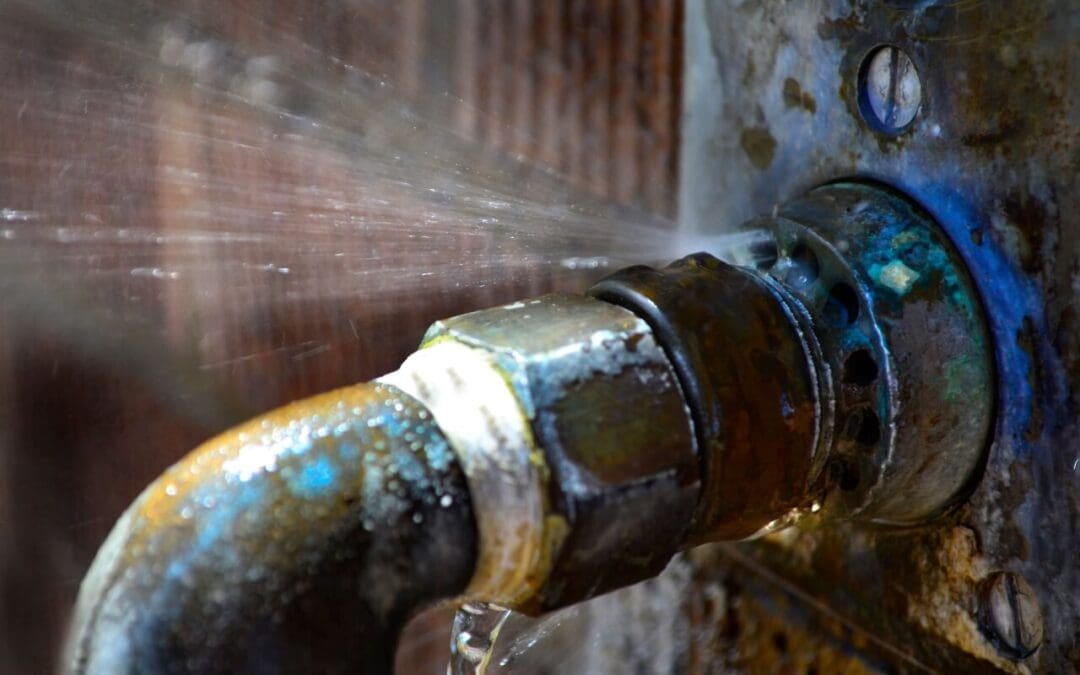
Water damage is the home repair category that most consistently catches homeowners off guard. The roof leak saturating insulation for two seasons before staining the ceiling. The slow supply line failure growing mold behind a cabinet before the floor buckles. The homeowners who avoid the most expensive repairs are those who understand the conditions that allow it to develop undetected.
The Most Common Sources of Water Damage in Residential Homes
Roof and flashing failures are among the most consequential sources of water damage because moisture enters at the top of the home and travels downward through multiple layers before becoming visible at the ceiling. Missing shingles, deteriorated flashing at chimneys and skylights, and valleys that have lost their sealant all allow infiltration without immediate interior evidence. By the time a water stain appears, moisture has typically already affected sheathing, insulation, and potentially framing. Annual roof inspection is the practice that produces the most consistent return. Plumbing failures behind walls and under floors produce the highest remediation costs because they’re invisible during development and cause significant secondary damage to structural components and subfloor. Supply lines to toilets, under-sink connections, ice maker lines, and water heater connections account for a disproportionate share of residential plumbing damage. Checking under sinks and around appliances for slow dripping, such as staining, mineral deposits, soft cabinet floors, identifies failures before they become catastrophic.
Exterior drainage and grading failures direct water toward the foundation rather than away, producing damage in basements and crawl spaces without any roof or plumbing failure. A grade sloping toward the foundation, downspout extensions terminating too close to the home, and window wells without adequate drainage all create conditions where water finds pathways into the structure.
Responding to Water Damage Quickly When It Occurs
The first priority in any acute water event is stopping the water at its source. For a plumbing failure, that means shutting off the supply valve or the main water supply. For a roof leak during a storm, that may mean protecting contents while the event is ongoing, with a permanent fix following after conditions allow. Every hour water continues to enter the structure adds to the material requiring drying or replacement. Drying is the step that determines whether a water damage event remains a manageable repair or escalates into a mold remediation project. Mold could establish in wet building materials within 24 to 48 hours, which is why professional remediation emphasizes rapid drying with industrial air movers and dehumidifiers rather than simply removing visible water. A homeowner who dries a water leak thoroughly and quickly may avoid mold remediation entirely.
The Prevention Habits That Reduce Long-Term Risk
Cleaning gutters twice yearly prevents the overflow and ice dam conditions that direct water toward the foundation and under roofing material. Replacing washing machine supply hoses with braided stainless steel hoses eliminates one of the most common sources of sudden, large-volume water damage. Testing the sump pump annually confirms the primary defense against basement water damage is functioning when needed. Replacing the water heater before it reaches the end of its expected service life prevents the tank failure that deposits forty to eighty gallons of water on the mechanical room floor.
Frequently Asked Questions (FAQs)
How do I know if I have water damage behind walls or under floors?
The most reliable indicators are soft or spongy flooring, discoloration or bubbling in paint or wallpaper, a musty odor that doesn’t resolve with ventilation, mold growth at baseboards, and ceiling or wall staining that wasn’t there previously. Thermal imaging by a professional inspector identifies moisture without destructive investigation. A musty smell in the absence of visible evidence is often the earliest indicator of water damage developing in a concealed location.
Does homeowner’s insurance cover water damage?
It depends on the source and policy. Most standard policies cover sudden and accidental water damage, like a burst pipe, appliance failure, or storm-related roof leak, but exclude gradual damage from neglect, external flooding, and sewer backup without specific endorsements. The sudden-versus-gradual distinction is the one most frequently disputed in claims; knowing your policy exclusions before an event occurs is worth the effort.
How much does water damage remediation typically cost?
Minor damage runs $1,000 to $3,000. Moderate damage affecting multiple rooms and requiring mold treatment runs $5,000 to $15,000. Significant damage involving structural components or extended mold growth runs $15,000 to $50,000 or more. How quickly it was discovered and how thoroughly it was dried is the most consistent predictor of where a specific event lands.
Can I handle water damage cleanup myself or do I need a professional?
Small, contained events caught within hours are within DIY capability when affected materials are limited, and no mold is present. Any water damage involving more than a small area, structural components, or moisture present for more than 24 to 48 hours benefits from professional assessment. Professionals have the moisture meters, thermal imaging, and industrial drying equipment that confirm complete drying and prevent mold from establishing after visible cleanup is complete.
What should I do immediately when I discover water damage?
Stop the water at its source. Remove standing water quickly with a wet-dry vacuum. Move furniture and rugs out of the affected area. Contact your insurance company to report the event, most policies require prompt notification. For anything beyond a minor, contained event, contact a professional water damage remediation company within the first 24 to 48 hours.
AAA Professional Home Inspectors offers inspection services to homebuyers and sellers in Kentucky and Southern Indiana. Contact us to request an appointment.