
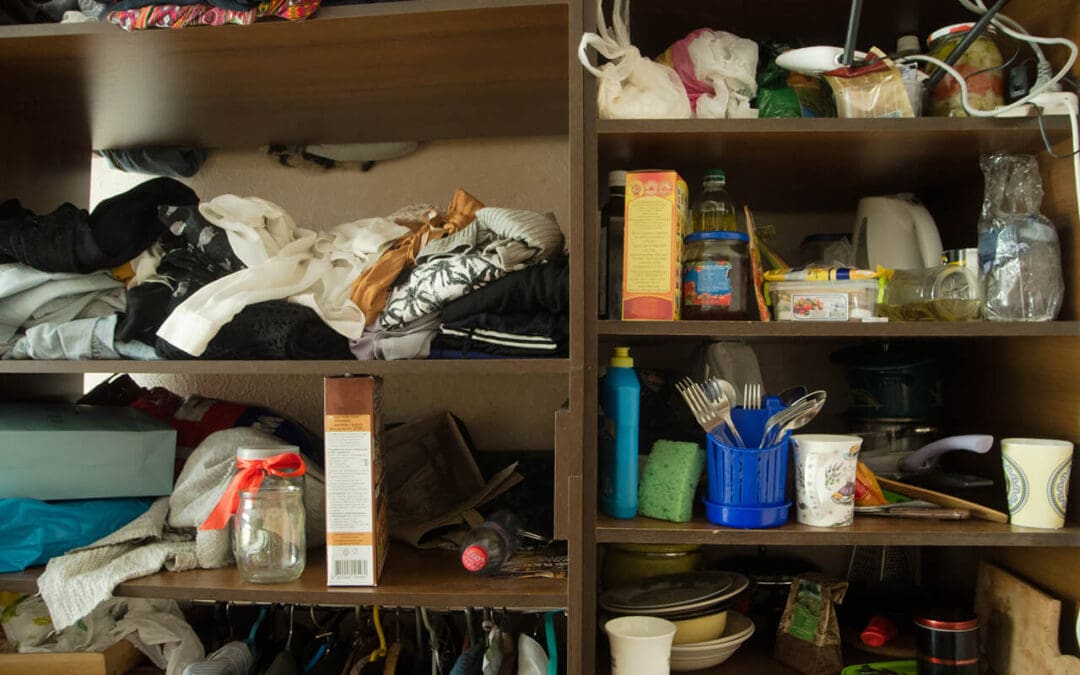
Decluttering your home is one of those projects that most homeowners rarely approach systematically, and the difference between ongoing good intentions and actual results is almost always about method rather than motivation. The homes that stay uncluttered develop from a consistent approach to what stays, what goes, and how to prevent accumulation.
The Right Approach to Decluttering Your Home
The most common reason decluttering projects stall is that they start too broadly. “Declutter the whole house” produces anxiety rather than action; the scale is overwhelming and the first hour of effort is invisible against what remains. Decluttering your home effectively requires a different entry point: one room, one category, one drawer at a time. The zone-by-zone method, completing one defined space fully before moving to the next, produces visible, motivating results from the beginning. A kitchen junk drawer fully decluttered in thirty minutes is a more powerful motivator than three hours of partial progress across multiple rooms. The decision framework that works across every category is simple: does this item serve a function in your current life, or does it represent who you were, what you planned to do, or what someone else gave you? Clutter is rarely random; it’s a physical record of deferred decisions.
Strategies That Make Decluttering Sustainable
The practicalities of the decluttering process matter as much as the decision framework. Without a concrete approach to sorting, removing, and preventing re-accumulation, even well-intentioned sessions produce a reorganized version of the same clutter rather than genuine reduction. Sorting into four categories keep, donate, discard, and relocate, as you work through each zone prevents the common problem of moving items from one location to another without reducing total volume. The relocate category is for items found in the wrong place, tools in the bedroom, kitchen items that belong elsewhere. Addressing these in a dedicated pass keeps the primary work from stalling. The donate category requires a same-day exit strategy. Bags that sit in the garage for weeks frequently migrate back into the home as specific items are reconsidered. Loading donated items into the car on the day of decluttering and dropping them within 48 hours closes the loop before reconsideration takes hold.
Prevention is where most decluttering efforts ultimately succeed or fail. The one-in-one-out rule, whenever a new item enters the home in a given category, one of the same type leaves, prevents the re-accumulation that makes decluttering feel like an endlessly recurring project.
Room-by-Room Priorities When Decluttering Your Home
Not all rooms contribute equally to the experience of clutter, and understanding which spaces have the most impact on daily wellbeing guides where to focus first. Kitchens and living rooms are the highest-impact spaces because they’re used most continuously. A decluttered kitchen with clear countertops changes how cooking and daily life feel from the first morning in the space. These rooms reward the effort of decluttering your home more immediately than bedrooms, garages, or storage areas, which makes them the right starting point for building momentum. Bedrooms affect sleep quality and the quality of the first and last moments of every day. A bedroom that functions as overflow storage doesn’t serve its primary restorative function. Clearing surfaces and keeping only what belongs in a sleeping space produces a room that feels fundamentally different from one that does double duty as storage.
Frequently Asked Questions (FAQs)
Where should I start when decluttering my home for the first time?
Start with the space that causes the most daily friction. If no specific area stands out, the kitchen is almost always the highest-impact starting point. Avoid starting with sentimental items or spaces with significant emotional weight; those decisions are easier after the decluttering muscle has been developed on less charged categories.
How do I decide what to keep when decluttering my home?
The most reliable question is whether the item serves a function in your current life. A secondary test for ambiguous items: if you imagine having already let it go, do you feel relief or regret? Relief almost always means it can go.
How long does decluttering a typical home take?
A moderately cluttered home can be meaningfully transformed in four to six weekend sessions of two to three hours each, about two to three months of consistent effort. The mistake most homeowners make is expecting to complete decluttering your home in a single intensive weekend. Incremental sessions that fully complete defined zones produce better outcomes than marathon sessions that leave every area partially addressed.
What should I do with items I’m not sure about?
The box method works well: place ambiguous items in a labeled box with a date six months in the future. If you haven’t retrieved a specific item by that date, you haven’t needed it, and the box can be donated without reopening. Most homeowners who use this method find very few items are actually retrieved.
How do I keep my home decluttered after the initial effort?
The one-in-one-out rule applied consistently is the most reliable prevention tool. A brief weekly reset, fifteen minutes of returning items to their designated locations, maintains the decluttered state without another major effort. Annual reassessment of each zone catches gradual re-accumulation and keeps decluttering your home a minor ongoing practice rather than a recurring major project.
AAA Professional Home Inspectors offers inspection services to homebuyers and sellers in Kentucky and Southern Indiana. Contact us to request an appointment.