
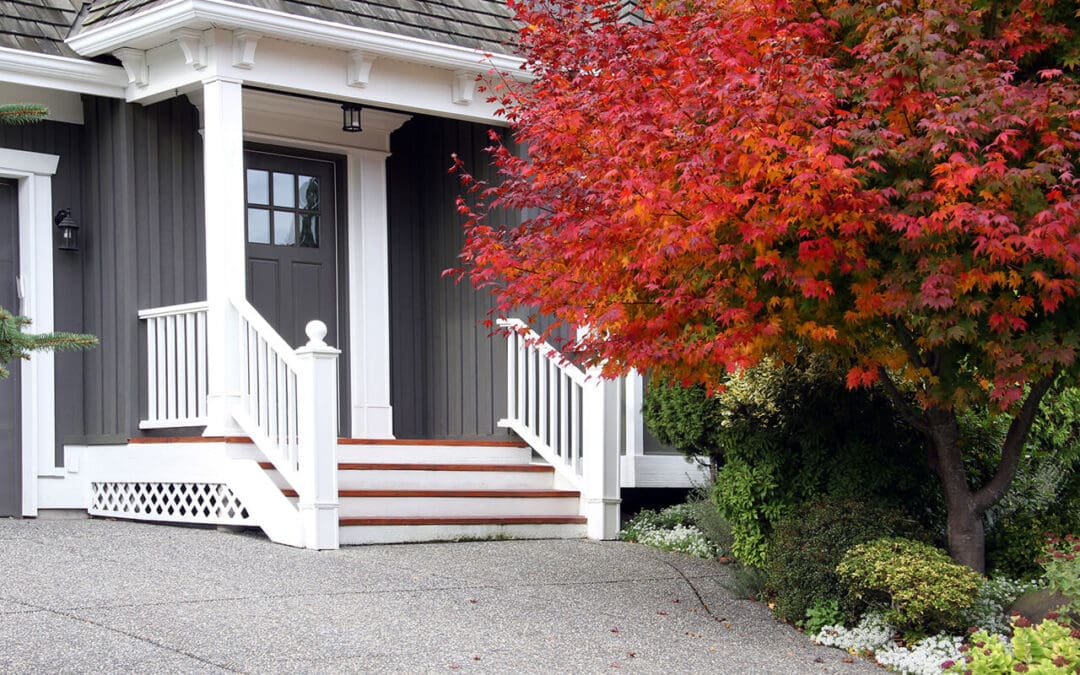
Exterior home maintenance is the category of home care that most directly affects the home’s structural integrity, energy performance, and long-term durability. Keeping up with maintenance isn’t about appearances; it’s about protecting the investment a home represents by maintaining the building materials, the envelope, and the systems that keep weather out and comfort in.
The Exterior Home Maintenance That Defines Curb Appeal
Wood and painted surfaces require the most consistent attention because they’re most directly exposed to UV, moisture, temperature cycling, and biological activity that degrade materials over time. Paint that has cracked, peeled, or worn through to bare wood isn’t just an aesthetic problem; it’s a moisture intrusion pathway that allows water to reach the wood substrate and begin the rot process. Address it promptly: scrape failed areas, prime bare wood, and repaint before moisture can establish. Fiber cement and vinyl siding have lower maintenance requirements than wood but aren’t maintenance-free. Fiber cement requires painting on schedule and annual caulk inspection at joints and penetrations, while vinyl benefits from annual cleaning to remove the oxidation and mildew that degrades its appearance and eventually its structural integrity.
Seasonal Preparation That Protects Through Extremes
Seasonal exterior home maintenance is the practice that most prevents weather-related damage to exposed building materials. Pre-winter exterior maintenance focuses on the conditions freezing temperatures exploit: caulk that has separated at window and door frames, wood surfaces that haven’t been sealed, and drainage conditions that allow water to pool near the foundation where freeze-thaw cycling produces the most structural pressure. Pre-summer maintenance addresses UV exposure, heat, and humidity. Inspecting deck surfaces for cracking or raised fasteners that foot traffic will worsen, refreshing deck stain or sealer, and confirming window screens are intact are the tasks that prepare the home for the season of heaviest occupant use.
The Exterior Home Maintenance Mindset That Changes Everything
The exterior home maintenance approach that produces the best long-term outcomes isn’t reactive; it’s the proactive, scheduled attention to the home that catches developing conditions while they’re still minor. A small area of peeling paint addressed in a weekend costs paint and an afternoon; the same area ignored through another winter allows moisture to reach the substrate and begin the rot process that eventually requires board replacement, reframing, or siding removal. Building a simple exterior home maintenance calendar is the habit that converts an overwhelming category into a manageable series of scheduled tasks. A home whose exterior is addressed on this kind of consistent schedule maintains its materials, prevents water intrusion, and avoids the compounding repair costs that reactive-only maintenance reliably produces over a ten or twenty-year horizon.
Frequently Asked Questions (FAQs)
How often should I paint the exterior?
Most exterior paint on wood siding has a practical service life of seven to ten years in moderate climates and shorter in high-UV or high-moisture environments. The indicator that paint needs attention isn’t the number of years since the last job; it’s the condition on the wall: cracking, peeling, chalking, or bare wood visible through worn areas are the signals that repainting is overdue regardless of the calendar.
What is the most overlooked exterior maintenance task?
Caulk inspection and replacement, because caulk is small, easily ignored, and not dramatic in the way peeling paint or rotted wood is. Failed caulk at window frames, door frames, corner trim, and exterior penetrations allows water to enter the wall assembly invisibly and produce the rot and mold that only become visible after significant damage has occurred. A tube of exterior caulk and an hour of annual attention is the habit with the highest return per minute invested.
Does exterior home maintenance actually save money over time?
Yes, significantly. Every maintenance task costs far less when addressed proactively than reactively. A caulk replacement costs a few dollars and an hour; the water damage from failed caulk left unaddressed for a season can cost hundreds to thousands to remediate. Paint touch-up prevents the substrate rot that makes board replacement necessary. Consistent exterior maintenance is the practice that keeps small, inexpensive conditions from becoming large, expensive ones.
Should I power wash my home’s exterior?
Power washing is effective for vinyl siding, concrete, brick, and masonry at appropriate pressure. Wood siding and painted surfaces require significantly lower pressure. High-pressure washing can drive water behind siding, raise grain, and damage paint with years of service life remaining. Soft washing with appropriate cleaning solutions is the approach most appropriate for painted wood and fiber cement surfaces.
AAA Professional Home Inspectors offers inspection services to homebuyers and sellers in Kentucky and Southern Indiana. Contact us to request an appointment.
Recent Comments